What Is Occlusal Rehabilitation?
Occlusal rehabilitation is a specialized treatment focused on restoring proper alignment, function, and stability to the bite. The occlusion, or the way the upper and lower teeth come together, affects everything from chewing efficiency and jaw comfort to the longevity of dental restorations. When the bite is compromised by wear, tooth loss, shifting, or poorly fitting restorations, it can lead to a cascade of issues including jaw pain, headaches, uneven tooth wear, muscle fatigue, and premature failure of dental work. Occlusal rehabilitation addresses the root cause by reestablishing a balanced, functional bite.
Occlusal Rehabilitation: Quick Facts
Quick fact | Typical answer |
|---|---|
Number of visits | Several |
Time needed | A few months, depending on how many teeth are restored |
Anesthesia | Local anesthesia for restorations |
Recovery time | A few days to adapt to the new bite |
How long it lasts | Many years when protected by a nightguard |
These are typical ranges. Your own plan is confirmed after an examination.
Signs Your Bite May Need Rehabilitation
Occlusal rehabilitation is often a key component of full mouth reconstruction, particularly for patients whose bite dysfunction has contributed to widespread damage. In other cases, it may be the primary focus of treatment for patients whose teeth are structurally sound but whose bite relationship has deteriorated. The distinction depends on the nature and extent of the problem, which Dr. Marina evaluates during the diagnostic phase.
Your bite is the way your upper and lower teeth meet. When it is out of balance, some teeth take more force than they were built for, and the teeth, muscles and joints all show the strain.
Teeth that look flat, short or chipped at the edges
Crowns or fillings that keep breaking
Jaw muscles that are tired or sore in the morning
Frequent tension headaches
A feeling that your teeth do not fit together comfortably
Occlusal Rehabilitation at Bensonhurst Dental Care
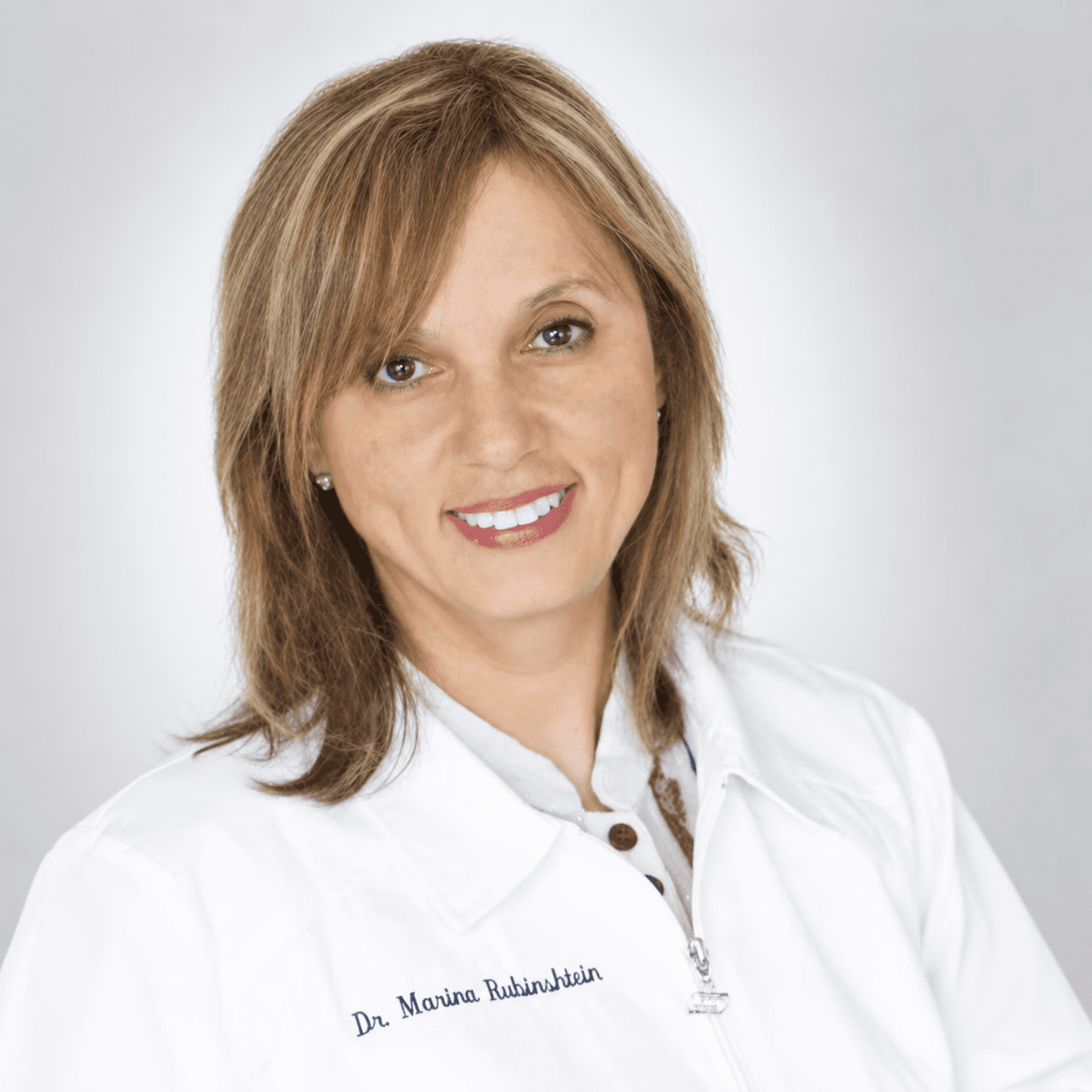
At Bensonhurst Dental Care, occlusal rehabilitation is provided by Dr. Marina Rubinshtein, who combines detailed diagnostic evaluation with a comprehensive restorative approach. The process begins with a thorough analysis of the patient’s bite, including imaging, jaw tracking, and an assessment of how the teeth, muscles, and jaw joints interact during function. Based on this analysis, Dr. Marina develops a treatment plan that may include dental crowns, inlays, onlays, veneers, and other restorations strategically placed to rebuild the biting surfaces and bring the teeth into proper alignment.
What to Expect, Step by Step
Bite analysis. Models or scans of your teeth are studied to see how they meet and move.
Diagnosis. We identify which teeth carry too much load and why.
Trial. A splint or temporary restorations test the planned bite before anything permanent is made.
Restoration. Crowns, onlays or veneers rebuild the biting surfaces to the tested position.
Protection. A nightguard and regular checks keep the new bite stable.
Occlusal rehabilitation compared with related treatments
Treatment | What it changes | Typical scope |
|---|---|---|
Bite adjustment | A few contact points are smoothed | Minutes; one visit |
Occlusal equilibration | Many contacts are refined across the whole bite | One or more visits |
Occlusal rehabilitation | Biting surfaces are rebuilt with restorations | Several months |
Full mouth reconstruction | Bite, missing teeth and appearance together | Several months to over a year |
Teeth rarely wear out on their own. In most cases the bite wears them out, so the bite is what we treat.
During and After Treatment
Helping your new bite settle
While your bite is being adjusted
Chew soft foods while your muscles adapt
Note any tooth that feels like it hits first
Mild muscle awareness is normal for a few days
Long-term care
Wear your nightguard as prescribed
Return for bite checks as scheduled
Avoid chewing ice, pens and fingernails
When to Call Us
Call the office on (718) 234-3434 if you notice any of the following:
One tooth feels higher than the rest
Jaw pain or headaches return or get worse
A restoration chips or loosens
Why Treat Bite Problems Early
Patients experiencing chronic jaw pain, frequent headaches, noticeable tooth wear, or difficulty chewing comfortably may benefit from an occlusal evaluation. Left untreated, bite dysfunction tends to worsen over time as the forces of chewing continue to be distributed unevenly. Addressing the issue proactively protects the teeth, restorations, and jaw joints from progressive damage. For patients who grind or clench, a nightguard is often incorporated into the treatment plan to protect the rehabilitated bite during sleep.
Cost and Insurance
The fee for restorative treatment depends on how much of the tooth needs rebuilding and on the material used. You receive a written estimate before treatment starts.
What affects the cost
The size and position of the tooth being restored
The material chosen, such as composite, ceramic or zirconia
Supporting procedures such as a core buildup, post or root canal
Laboratory fees for custom restorations
Most dental plans contribute to restorative care, often at different rates for fillings, crowns and bridges. Our team can check your benefits and explain your options before treatment begins.