Expert Dental Tips, News & Guides

Veneers typically cost between $250 and $2,500 per tooth, depending on the material and where you get them done. Porcelain veneers run $900 to $2,500 per tooth, while composite veneers cost $250 to $1,500 per tooth. Knowing which type fits your goals and budget can save you thousands and help you avoid a result you’ll regret.

Some home whitening products genuinely work. Others are a waste of money, and a few can cause real damage to your enamel. Knowing which is which saves you time, money, and a trip to the dentist to fix what went wrong.

Dental veneers can fix years of cosmetic concerns in just a few appointments, but they also come with permanent trade-offs that aren't always spelled out during a consultation. Before you commit to the procedure, you need a clear picture of both sides. This guide on dental veneers pros and cons covers everything from cost to long-term care, so you can make a decision you won't regret.

Professional teeth whitening is one of the most common cosmetic dental treatments available, and for good reason — it works faster and delivers stronger results than anything you can buy off a shelf. This guide walks you through exactly what happens during treatment, what to expect from your results, and how to decide if it’s the right choice for your situation.

Invisalign uses a series of clear plastic trays, called aligners, to shift your teeth gradually into a straighter position without wires or brackets. Each tray applies light, steady pressure to specific teeth, guiding them in a planned direction over several months. Understanding how Invisalign works from the first scan to the final retainer helps you decide whether it's the right path for your smile.

Dental implant pain is one of the first things patients ask about, and the concern is understandable. Surgery sounds serious, and the idea of someone drilling into your jaw sounds worse. Most patients are surprised to find that the actual experience is far more manageable than they imagined, and that recovery follows a predictable pattern you can prepare for.

Full mouth dental implants replace an entire arch of missing teeth with a fixed set anchored to titanium posts in your jawbone. Unlike dentures that sit on your gums and can slip, implants stay in permanently and function much like natural teeth. This guide walks you through every step of the process so you know exactly what to expect before you ever sit in the chair.

Both Invisalign and traditional braces can straighten your teeth effectively, but they suit different people for different reasons. The better choice depends on your specific dental needs, your daily habits, and how much the look of your treatment matters to you. Understanding how each option actually works makes that decision much easier.

Clear aligners are removable plastic trays that gradually shift your teeth into a straighter position, and they’ve become one of the most popular teeth straightening options for both teens and adults. If you’re weighing your choices, understanding how they actually work, how long treatment takes, and what they can and can’t fix will help you make a smarter decision. This guide covers all of it.

Root canal cost in Brooklyn typically runs between $1,400 and $4,000 without insurance, depending on which tooth needs treatment and whether you see a general dentist or a specialist. That range is wide for real reasons, and knowing what drives the price up or down helps you plan before you're sitting in the chair.

Braces cost in Brooklyn typically falls between $6,000 and $20,000, depending on the type of braces you choose and how complex your case is. Most patients pay somewhere in the middle of that range, and nearly every orthodontist in the borough offers monthly payment plans so the cost doesn’t hit all at once. Here’s what you need to know before you schedule your first visit.

Porcelain veneers in Brooklyn typically cost between $4,000 and $8,000 per tooth, depending on the material, your dentist's expertise, and how many teeth you need treated. Since most smiles need more than one veneer for a natural, consistent look, the total can add up quickly. Here's what drives that number and what you can realistically expect to pay.

Clear braces cost in Brooklyn typically falls between $8,000 and $16,000 for the duration of treatment, depending on the type of treatment and the complexity of your case. Before you book a consultation, it helps to understand what drives that range and what you can realistically expect to pay.

Dental implants cost Brooklyn patients anywhere from $6,000 to $12,000 for a single tooth, depending on the dentist, the location, and what's included in the quote. The range is wide, the upfront cost is real, and understanding what drives that number can save you from billing surprises you didn't see coming.

A smile makeover in Brooklyn typically costs between $10,000 and $44,000, with complex cases potentially reaching $100,000 or more. The wide range exists because a smile makeover isn't one procedure — it's a combination of treatments built around your specific teeth and goals. Here's what drives that number and what you can realistically expect to pay.

Invisalign cost in Brooklyn typically runs between $1,000 and $12,000, depending on how much work your teeth actually need. If you're trying to figure out what you'll pay and whether it's worth it, here's a clear breakdown of what drives those numbers.

Brooklyn dentist costs run higher than national averages, but knowing what to expect before you sit in the chair makes a real difference in how you plan and what you pay. This guide covers real price ranges for common procedures, what insurance typically covers, and where you can find affordable care without compromising quality.

Clear aligners cost Brooklyn patients generally between $7,000 and $16,000 for a full course of treatment, depending on the brand, the provider, and how much correction your teeth actually need. Knowing what drives that number up or down helps you go into any consultation with realistic expectations and the right questions ready.

All-on-4 dental implants cost Brooklyn patients $24,000 to $50,000 per arch, depending on the dentist, the materials, and what's included in the quote. It's a big number, but it replaces a full arch of teeth with four implants, and knowing what drives the price makes it much easier to compare quotes.

A smile makeover isn't one procedure with a single price tag. It's a plan built around your specific teeth, your specific concerns, and how far you want to go. Understanding the most common smile makeover procedures helps you walk into that first appointment knowing what to ask, what to expect, and what's realistic.

Chipped tooth repair ranges from a quick polish to a full crown, and the right choice depends almost entirely on how much tooth structure you've lost and where in your mouth the chip is. Most patients don't need to panic, but waiting too long on even a small chip can turn a simple fix into a costly one. Here's a clear breakdown of your options.

If you’re stressed or just in need of some quality beauty rest, check out our tips to help you get that restful night.
Receding gums is a condition whereby the gums pull away from the tooth, which makes the tooth look longer since more of the tooth is exposed.
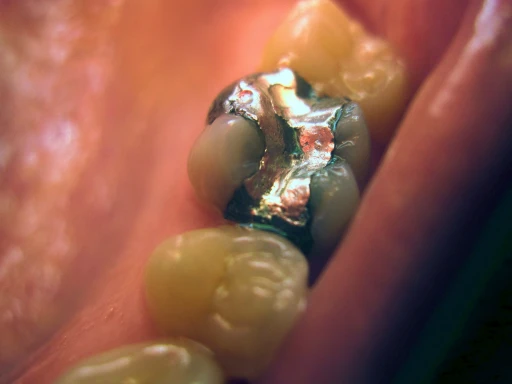
Dental amalgam, also known as silver cavity fillings, is a common material used to fill cavities.
You may not have heard of Sleep Disordered Breathing but unfortunately 9 out of 10 children suffer from one or more of the symptoms related to Sleep Disordered Breathing (SDB).