7 Things About Dental Amalgam Your Dentist Wants You to Know

Dental amalgam, also known as silver cavity fillings, is a common material used to fill cavities.
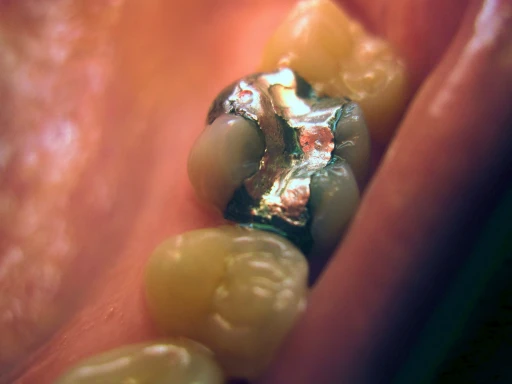
Over the years, concerns have been raised about the use of amalgam because it contains mercury. Here are the top 7 things to keep in mind if you’re concerned about dental amalgam.
Amalgam is a combination of metals that has been the most popular and effective filling material used in dentistry over the last 150 years. Sometimes referred to as “silver amalgam,” it actually consists of a combination of metals — including silver, mercury, tin, and copper.
Amalgam is the least expensive type of filling material. Mercury is used in amalgam because it helps make the filling material pliable. When it is mixed with an alloy powder, it creates a compound that is soft enough to mix and press into the tooth. But it also hardens quickly and can withstand the forces of biting and chewing.
Amalgam is used less often today than in the past because new tooth colored materials have been developed for common use — these include composite resin, porcelain and gold. Composite resin is a tooth-colored material. Because it wears faster than amalgam, composite resin can’t be used in every situation. Amalgam is stronger than composite resin and hold up better over time, especially in teeth that undergo a lot of pressure and wear from chewing.
Amalgam contains elemental mercury which releases low levels of mercury in the form of a vapor that can be inhaled and absorbed by the lungs. The FDA consideres amlagam fillings safe for adults and children ages 6 and above. Several research studies have concluded that any amount released from amalgam in the mouth is very low.
High levels of mercury vapor exposure are associated with adverse effects in the brain and the kidneys. If you think you might have an allergy or sensitivity to mercury or any of the other metals in dental amalgam, you should discuss treatment options with your dentist. Concerns about mercury are related to the total amount of mercury absorbed from all sources. Therefore, some people such as those who are exposed to mercury through their jobs, or who eat large amounts of seafood may want to avoid amalgam.
Amalgam fillings should be replaced only when they are worn, broken or when there is decay beneath the filling. Removing good amalgam fillings results in unnecessary loss of healthy parts of the tooth and can release more mercury. If you are getting an amalgam filling or having one removed, your dentist will use high-powered suction to remove any excess amalgam from your mouth and limit the exposure of mercury to you and your dental care team as much as possible.
Regular dental checkups will help prevent any adverse affects from amalgam fillings and keep your overall oral health in check. Make sure to visit your dentist twice a year, and keep an open dialogue about your oral health concerns.
Frequently asked questions

Cosmetic Dentist
Brooklyn dentist with more than 24 years in private practice, offering general, cosmetic and restorative dentistry. An NYU graduate focused on helping patients achieve healthy, natural-looking smiles.

Periodontist
Board-certified periodontist with training in dentistry and periodontics from NYU. A New York native offering compassionate, personalized care focused on improving oral health and helping patients smile with confidence.

Laser Dentist
Dentist with more than 22 years of experience and a DDS from NYU, where he was an honor society member. Uses the latest advances in dentistry to provide personalized patient care.

Orthodontist
Board-certified orthodontist treating teens and adults in Brooklyn with traditional braces, ceramic braces and Invisalign. An NYU graduate in both dentistry and orthodontics.

General Dentist
Brooklyn dentist with a postdoctoral certificate in endodontics from NYU, focused on root canals and restorative dentistry. Gentle, precise care for complex treatment.