Dental Fillings: Composite vs Amalgam vs Gold — Which Is Best?

Published
The types of dental fillings available today range from tooth-colored composite resin to durable silver amalgam to long-lasting gold, and each one has real trade-offs worth knowing before you sit in the chair. The right choice depends on which tooth needs work, what you're willing to spend, and how much the appearance matters to you. This guide breaks down each option honestly so you can walk into your appointment with a clear sense of what you want.

What Are Dental Fillings and Why Do You Need One?
A cavity is a hole formed when bacteria eat through your tooth enamel, the hard outer layer. Left alone, that hole grows deeper, reaches the nerve, and turns a routine fix into a root canal or extraction. A filling stops that process by removing the decayed material and sealing the space so bacteria can't keep spreading.
The procedure itself is straightforward. Your dentist numbs the area, drills out the decay, cleans the space, and places the filling material. Most appointments take 30 to 60 minutes, and you'll likely feel pressure but not pain. Fillings are one of the most common procedures in dentistry, and for good reason — catching a cavity early and filling it protects the rest of the tooth for years.
The Three Main Types of Dental Fillings
Composite, amalgam, and gold are the most widely used dental filling materials, and they differ in appearance, lifespan, and cost. No single option is best for every mouth or every budget. Composite blends in with your natural tooth color. Amalgam is silver-toned and built to last. Gold is the most durable of the three but also the most expensive and visible. The sections below break each one down so you can compare them clearly.
Composite Fillings (Tooth-Colored)
Composite resin is made of a mix of plastic and fine glass particles shaped and shaded to match your natural tooth color. Most patients can't tell the difference between a composite filling and the surrounding enamel, which makes these the first choice for front teeth and any tooth that shows when you smile or speak.
Composite fillings bond directly to the tooth surface, which lets dentists remove less healthy tooth structure during placement. They're applied in thin layers and hardened with a special curing light, a blue LED that sets the resin firm in seconds. The main concern patients raise is durability. Composite typically lasts 5 to 10 years, which is shorter than amalgam or gold. On small to medium cavities, though, a well-placed composite filling in a patient who brushes and flosses consistently can hold up well past that range.
Amalgam Fillings (Silver Fillings)
Amalgam is a blend of silver, mercury, tin, and copper that has been used in dentistry for more than 150 years. It hardens quickly, handles heavy chewing pressure well, and costs less than composite or gold. These properties explain why it became the standard filling material for back teeth for so long.
The silver color is the trade-off most patients notice first. Amalgam fillings darken over time and stand out visibly against natural tooth color, which bothers some patients more than others. The mercury content concerns others, though the mercury in amalgam is bound to the other metals in a stable alloy, and major organizations including the FDA and the American Dental Association consider it safe for most adults. More on that in the safety section below.
Gold Fillings (Gold Inlays and Onlays)
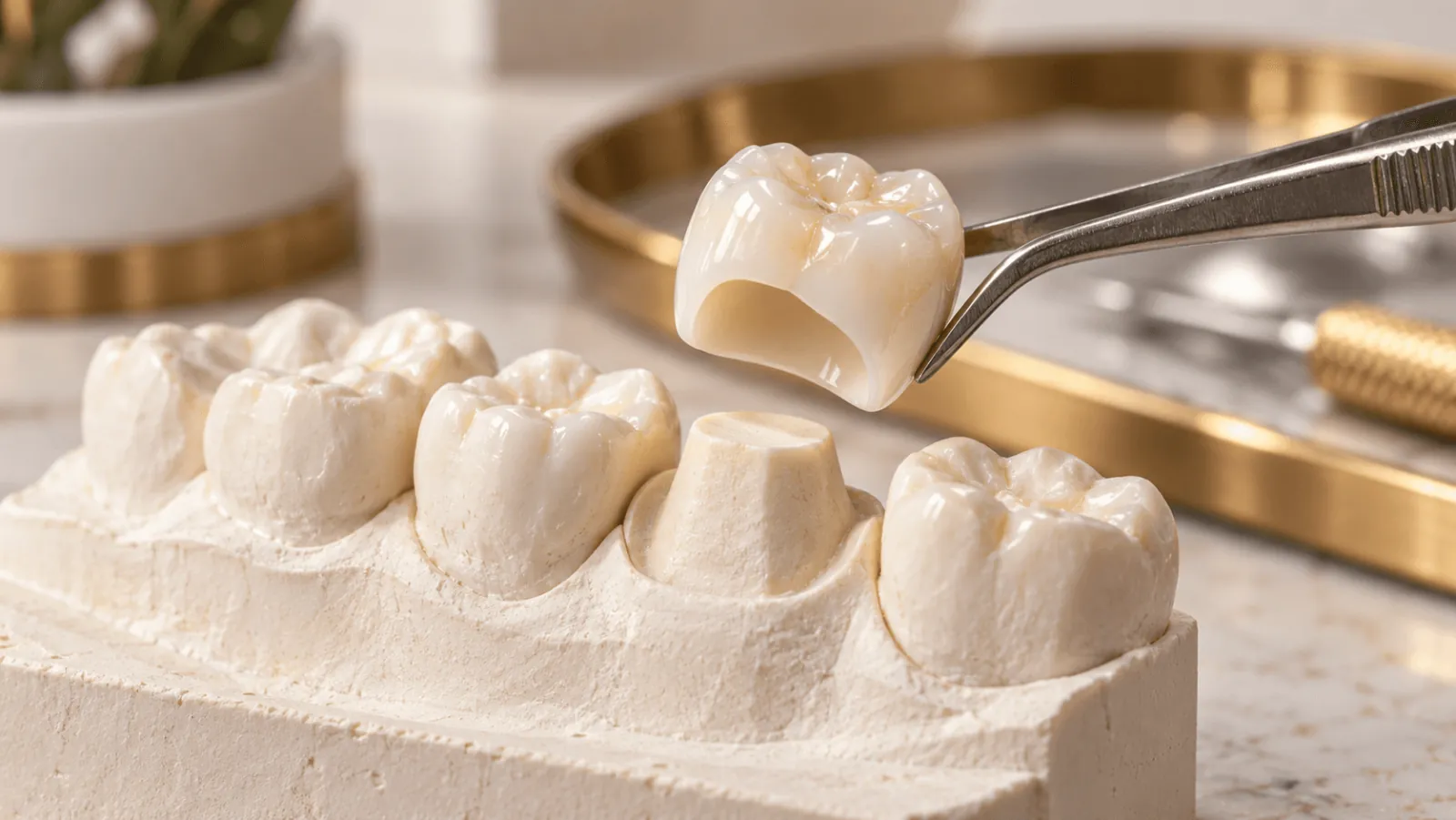
Gold fillings are custom-made in a dental lab and cemented into the prepared tooth, which is why they require two appointments rather than one. At the first visit, your dentist shapes the tooth and takes an impression. A temporary filling goes in while the lab crafts the gold piece. At the second visit, the gold inlay or onlay is cemented permanently into place.
The durability is unmatched. Gold fillings regularly last 15 to 30 years, and some hold up even longer with good oral care. Some dentists consider gold the strongest option for large cavities in back molars that take the most chewing force. The two drawbacks are cost — gold fillings can run $800 to $2,500 — and the obvious visibility of a gold-colored tooth, which most patients today prefer to avoid.
Comparing the Three: Durability, Appearance, and Cost
Each filling type has a different strength profile, and understanding where those differences matter most helps you pick the right one for your tooth.
How Long Does Each Type Last?
Gold fillings last the longest, with an average lifespan of 15 to 30 years, and some lasting beyond that range. They're especially well-suited for back molars where biting pressure is highest.
Amalgam fillings typically last 10 to 15 years. They hold up well under pressure, but they can expand and contract slightly with temperature changes over time, which may eventually crack the surrounding tooth.
Composite fillings last around 5 to 10 years on average. Smaller fillings in lower-pressure teeth tend to last longer than large composite restorations in molars.
Teeth grinding shortens the life of all three types. Patients who grind at night often wear down fillings faster and may need replacements sooner. The size of the filling also matters — a larger filling, regardless of material, faces more stress with every bite.
Cost Comparison: What Will You Actually Pay?
Without insurance, expect to pay roughly $100 to $250 for an amalgam filling, $150 to $450 for composite, and $800 to $2,500 for gold. The wide range reflects differences in tooth location, filling size, and regional pricing.
Insurance typically covers 80 percent of basic fillings, with amalgam and composite for front teeth usually falling under standard coverage. Many plans cover composite for back teeth as well, but some will only pay the amalgam rate and require you to cover the difference if you choose tooth-colored material.
Paying more upfront doesn't always mean saving money long-term. A composite filling that lasts 7 years and needs replacement is less cost-effective than an amalgam that holds for 14, depending on your insurance situation and whether the cavity is in a spot anyone can see.
Aesthetic Considerations: What Will People See?
Composite is virtually invisible. Placed well, it matches the surrounding tooth color closely enough that most people won't notice it. Amalgam, by contrast, turns noticeably dark over time and becomes especially visible on premolars or molars when you open wide. Gold is even more visible — unmistakably metallic against natural enamel.
For front teeth, this makes composite the clear choice. For back molars, many patients reasonably decide that appearance matters less than cost and durability, since those teeth rarely show. Others strongly prefer composite throughout their mouth regardless of tooth location. Both priorities are valid.
Safety Concerns: Is Mercury in Amalgam Fillings Dangerous?
The mercury in amalgam is bound tightly with other metals in a solid alloy. It doesn't release into your body the way liquid mercury would. The FDA, the ADA, and the World Health Organization all consider amalgam fillings safe for most adults, and decades of research back that up.
That said, some patients do have mercury sensitivity, and for them, composite or gold is the smarter choice. Some countries have moved to restrict amalgam in pregnant women, nursing mothers, and young children as a precaution, and the FDA updated its guidance in 2020 to recommend that certain higher-risk groups avoid amalgam when possible. If a patient comes in convinced their amalgam fillings are causing symptoms, it's worth taking seriously. Mercury sensitivity is real in some people, and if the symptoms fit, removing and replacing those fillings may genuinely help.
Which Filling Type Is Right for You?
The decision usually comes down to three factors: where the tooth is, how large the cavity is, and what your budget allows. Dr. Alena Manzon notes that composite is the default at her practice for most cavities, with more durable options considered when a significant amount of tooth structure is missing.
Best Filling for Front Teeth
Composite is almost always the right call for front teeth. These teeth handle less chewing force than molars, which reduces the durability concern, and visibility is highest here. Insurance plans tend to recognize this logic too — most carriers cover tooth-colored composite fillings for front teeth without requiring a cost-share. A well-placed composite on a front tooth blends in completely and keeps that tooth looking natural.
Best Filling for Molars and Back Teeth
Back molars take the heaviest bite forces in your mouth, which affects the filling choice. For smaller cavities, composite works well and gives you a tooth-colored result. For larger cavities, the calculus changes. "If the distance between the cusps is very, very big or a lot of tooth structure is missing, composite will not last on a molar," Dr. Alena Manzon explains. "We would recommend a crown because the tooth becomes very fragile." Gold or porcelain inlays are worth considering for large restorations in molars where long-term durability matters more than matching color.
What to Expect: The Filling Procedure
Your dentist will numb the area with a local anesthetic before starting. Once the tooth is numb, they remove the decayed material with a drill, clean the space, and place the filling. Most single-tooth fillings take 30 to 60 minutes from start to finish. Some sensitivity after the numbness wears off is normal and usually settles within a few days. You can eat normally once the anesthetic wears off, though with composite fillings your dentist may suggest avoiding hard foods for the first 24 hours.
Do Different Filling Types Require Different Procedures?
Composite and amalgam are both placed in a single appointment. Composite takes slightly longer because it's applied in layers, with each layer hardened by a curing light before the next goes on. Gold requires two visits — the first to prep the tooth and take an impression, and the second to cement the finished piece in place. A temporary filling sits in the tooth between those appointments. Patients choosing gold should plan for two separate visits spaced about two weeks apart.
How to Make Your Filling Last as Long as Possible
Good oral hygiene is the single biggest factor. Brushing twice a day and flossing daily keeps bacteria from building up along the edges of the filling, where new decay most often starts. Beyond that, a few habits make a real difference:
Avoid chewing ice, hard candy, or anything that puts sudden sharp force on a tooth. This applies to all three filling types but matters most for composite.
Wear a nightguard if you grind your teeth. Grinding accelerates wear on fillings and can crack the surrounding tooth structure over time.
Keep your regular checkup appointments so your dentist can catch any wear, cracking, or new decay around the edges early, before it becomes a larger problem.
Limit staining drinks like coffee, tea, and red wine if you have composite fillings in visible spots, since composite can absorb pigment gradually over time.
No filling lasts forever, but with consistent care, any of the three types should give you years of normal function before it needs attention again.
Choosing the right types of dental fillings comes down to balancing appearance, durability, and cost against the specific tooth being treated. Your dentist can walk you through the best options for your cavity size and location, but arriving informed makes that conversation faster and more useful for both of you.