Full Mouth Dental Implants Guide: Procedure Steps, Timeline and What to Expect

Full mouth dental implants replace an entire arch of missing teeth with a fixed set anchored to titanium posts in your jawbone. Unlike dentures that sit on your gums and can slip, implants stay in permanently and function much like natural teeth. This guide walks you through every step of the process so you know exactly what to expect before you ever sit in the chair.
What Are Full Mouth Dental Implants?
Full mouth dental implants use a small number of titanium posts placed into your jawbone to support a full row of replacement teeth. You don't need one implant per tooth. With systems like All-on-4, just four implants per arch can hold an entire set of upper or lower teeth. All-on-6 uses six posts for extra stability. Full arch implants is the broader term that covers both approaches and any similar fixed solution.
These are different from traditional dentures, which rest on your gums and require adhesive. They're also different from a single implant that replaces one missing tooth. Full mouth implants are designed for patients who have lost most or all their teeth in one or both arches and want a permanent, non-removable result.
Who Needs Full Mouth Dental Implants?
Most patients who seek full mouth implants have reached a point where saving their remaining teeth is no longer realistic. Severe gum disease (an infection that destroys the bone and tissue holding teeth in place), advanced decay, or trauma from an accident are the most common reasons. You don't have to be completely toothless to qualify. If you have a few teeth left but they're failing, those can be removed as part of the same process.
Many patients feel deep shame about needing this procedure, as though it reflects a personal failure. It doesn't. Genetics, medical conditions, financial access to dental care, and circumstances outside your control all play a role in tooth loss. Millions of people undergo full mouth reconstruction every year, and the decision to pursue implants is a practical health choice, not a cosmetic indulgence.
The Full Mouth Dental Implant Procedure: Step-by-Step
Initial Consultation and Treatment Planning
The first appointment is primarily about gathering information. Your dentist will take X-rays and 3D cone beam scans as part of a comprehensive oral exam that shows the exact depth, width, and density of your jawbone. This imaging tells them whether your bone can hold implants right away or whether you'll need grafting first. You'll also get a realistic timeline and a full cost estimate. What patients often don't realize is how much detailed planning happens before a single implant is placed. The placement angles, load distribution, and final tooth position are all mapped out well in advance of surgery day.
Tooth Extractions (If Needed)
If you still have teeth that can't be saved, they need to come out before or during implant placement through a surgical extraction. Depending on your situation, extractions may happen on the same day as implant surgery or in a separate appointment weeks earlier. Many patients worry about going through a period where they look toothless in public. In most cases, a temporary prosthetic can be placed so you're not without teeth during the healing phase.
Bone Grafting (If Required)
Bone grafting means adding bone material, either from your own body or a donor source, to areas of your jaw where density is too low to hold an implant securely. This isn't a sign that something went wrong. It's a foundation step for patients whose jawbone has shrunk after years of tooth loss. The trade-off is time. Grafting adds roughly 4 to 6 months to your overall timeline because the new bone has to fully fuse before implants can be placed.
Implant Placement Surgery
On surgery day, you'll typically receive local anesthesia along with IV sedation or oral sedation, meaning you'll be comfortable and largely unaware of what's happening. The surgeon makes small incisions in your gum, places the titanium posts into the jawbone, and closes the tissue around them. The procedure usually takes 2 to 4 hours for a full arch. Whether you leave with teeth that day depends on your bone quality and which technique is being used. All-on-4 patients often receive temporary teeth the same day. Others go home with a healing cap and no visible teeth until the next phase.
Healing and Osseointegration Period
Osseointegration is the process by which the titanium post fuses with your jawbone, creating a stable anchor. This takes 3 to 6 months and can't be rushed. During this time, most patients wear a temporary prosthetic so they're not without teeth. You'll be on a soft food diet and attending check-up appointments so your dentist can confirm the implants are integrating properly. There's no pain during this phase for most patients, just patience.
Final Restoration Placement
Once your implants have fully integrated, you return for the placement of your permanent implant crowns. Your dentist checks the fit, bite alignment, and appearance, making small adjustments until everything feels right. This appointment isn't painful. It involves a fair amount of trying things in and tweaking, but most patients leave that day feeling like the entire process finally paid off.
Full Mouth Dental Implants Timeline: How Long Does the Entire Process Take?
The total time from first appointment to permanent teeth depends heavily on your starting point.
Best-case scenario: No extractions needed, good bone density, no grafting required. Timeline is roughly 3 to 5 months.
Typical case: Some extractions, adequate bone, minor soft tissue healing needed. Expect 6 to 9 months total.
Complex case: Multiple extractions, bone grafting required, extended healing time. Plan for 12 to 18 months.
Same-day teeth are possible with All-on-4, but those are temporary. Your permanent prosthetic comes after the osseointegration period is complete.
What to Expect During Recovery
First 24-48 Hours After Surgery
Swelling peaks around 48 to 72 hours after surgery, and your face will likely look puffy. Use ice packs in 20-minute intervals during the first day. Take prescribed pain medication on schedule rather than waiting until pain builds up. Some light bleeding is normal. If bleeding doesn't slow with gentle pressure after 30 minutes, call your dental office. Most patients take 2 to 3 days off work, though some need a full week.
First Two Weeks
Stick to soft foods like yogurt, scrambled eggs, mashed potatoes, and broth. Nothing chewy, crunchy, or hot. Keep the surgical sites clean by rinsing gently with salt water or a prescribed rinse, but avoid vigorous swishing that could disturb the healing tissue. Light activity can typically resume after a week, but hold off on exercise that raises your heart rate for at least 10 to 14 days.
Long-Term Healing and Adjustment
Implants feel slightly different from natural teeth at first, especially during chewing. Odd pressure sensations and mild tingling are normal and usually resolve within a few weeks. True persistent numbness lasting more than a few days should be reported to your dentist, as it can occasionally signal nerve involvement. Follow-up appointments are typically scheduled at 1 week, 4 weeks, 3 months, and 6 months post-surgery.
Pain Management and Comfort
The surgery itself is not painful because you're anesthetized throughout. The 3 to 5 days after surgery bring the most discomfort, which most patients describe as similar to having several teeth pulled at once. Prescription pain medication handles this phase well when taken consistently. By day 7, over-the-counter options like ibuprofen are usually enough. When patients ask about pain directly, the approach is straightforward: "We're going to do everything in our power to make sure it's painless during the procedure, and after the procedure we give you enough medication and a proper protocol so that if you follow it, you're going to be pain free." If pain seems to be getting worse after the first week instead of better, contact your dentist. Worsening pain after the initial healing window can signal infection.
Cost of Full Mouth Dental Implants
Full mouth dental implants typically cost $20,000 to $50,000 per arch. Replacing both upper and lower teeth can range from $40,000 to $100,000 depending on how many implants are placed, whether bone grafting is needed, your location, and the experience level of the provider. Most dental insurance plans offer minimal coverage, classifying implants as a cosmetic procedure. Some plans cover extractions or a portion of the prosthetic teeth, but rarely the implants themselves. Medical insurance rarely helps unless tooth loss stems from an accident or illness. Most patients use a combination of payment plans, financing through companies like CareCredit, and health savings accounts to manage the cost.
Types of Full Mouth Implant Solutions
All-on-4 Dental Implants
All-on-4 places four implants per arch at specific angles to maximize contact with available bone. This approach often eliminates the need for bone grafting because the angled rear implants reach denser bone deeper in the jaw. It also allows for same-day temporary teeth in many cases. Cost ranges from $20,000 to $30,000 per arch, making it one of the more accessible full arch options.
All-on-6 Dental Implants
All-on-6 adds two more implants per arch for greater long-term stability. When bone quality is good enough to support six implants, it's the preferred option. As Dr. Marina Rubinshtein explains, if one implant ever has an issue down the road, five remaining posts can still hold the arch securely. With four implants, losing one creates a much bigger problem. All-on-6 typically costs $24,000 to $35,000 per arch and may add a few weeks to the overall timeline.
Individual Implants for Each Tooth
Placing one implant for every missing tooth is the most involved approach. It requires the most surgery time, the longest healing period, and the highest cost, often $60,000 or more for a full arch. This method makes sense in specific cases where only certain areas of the jaw can support a bridge-style prosthetic, or where a patient wants the most tooth-by-tooth customization possible.
Pros and Cons of Full Mouth Dental Implants
The advantages are significant. Implants look and function like natural teeth, allow you to eat without restriction, preserve jawbone that would otherwise shrink after tooth loss, and require no adhesive or nightly removal. They're the closest thing dentistry offers to replacing your original teeth.
The drawbacks are real too. The cost is high, the timeline is long, and surgery carries risks. Implants also require ongoing care with specific tools like water flossers and interdental brushes. They're not maintenance-free, and the prosthetic teeth attached to the implant posts will likely need replacement after 10 to 15 years of normal use.
Full Mouth Dental Implants vs. Dentures
Cost is the sharpest difference. Traditional dentures cost $1,500 to $5,000 for a full set, while implants run $40,000 or more. For patients with limited budgets or health conditions that rule out surgery, dentures remain a practical choice.
On every other measure, implants tend to come out ahead. They don't shift or click when you speak, don't require adhesive, allow you to bite into harder foods, and slow the bone loss that dentures can't prevent. Implant-supported dentures, a hybrid where a removable prosthetic snaps onto implant posts, sit in the middle on both cost and stability. For patients who want some of the benefit of implants without the full investment, that middle-ground option is worth asking about.
How to Choose the Right Dentist for Full Mouth Implants
Full mouth reconstruction at this scale is typically led by a prosthodontist (a dentist who specializes in restoring teeth) or an oral surgeon, sometimes working together. General dentists with substantial implant training can also perform this procedure, but you should ask directly how many full arch cases they've completed and what their complication rate has been. Ask to see before-and-after photos from actual patients. During your first visit, notice whether the dentist takes detailed scans and spends time explaining your specific bone structure, or rushes straight to pricing.
Potential Risks and Complications
Implant failure, where the titanium post doesn't fuse with the bone, occurs in roughly 5 to 10 percent of cases and is more common in smokers and people with uncontrolled diabetes. Infection at the surgical site, damage to nearby teeth, and temporary or permanent nerve involvement are less common but possible. Signs that something is wrong during healing include increasing pain after the first week, swelling that gets worse instead of better, visible loosening of an implant, or a foul taste that doesn't resolve. Any of these warrants a same-day call to your dental provider.
Life After Full Mouth Dental Implants
Once fully healed, daily life with implants feels remarkably close to life with natural teeth. You brush twice a day, floss with a water flosser or special implant floss, and see your dentist every 6 months for cleaning and a check on the implant connections. The titanium posts themselves can last a lifetime if they stay integrated with your bone. The prosthetic teeth on top typically last 10 to 15 years before showing enough wear to need replacement. With consistent care, many patients go decades without major issues.
Full mouth dental implants are a major commitment of time, money, and recovery, but for patients who complete the process, the result is a fixed, functional set of teeth that can last a lifetime with the right care. If you're weighing your options, a detailed consultation with a qualified implant provider is the clearest next step.
Frequently asked questions
How long do full mouth dental implants last?
Can I get full mouth dental implants in one day?
How painful are full mouth dental implants?
What can I eat after getting full mouth dental implants?
How much do full mouth dental implants cost, and does insurance cover them?
What's the part of this process most patients don't expect?

Cosmetic Dentist
Brooklyn dentist with more than 24 years in private practice, offering general, cosmetic and restorative dentistry. An NYU graduate focused on helping patients achieve healthy, natural-looking smiles.

Periodontist
Board-certified periodontist with training in dentistry and periodontics from NYU. A New York native offering compassionate, personalized care focused on improving oral health and helping patients smile with confidence.

Laser Dentist
Dentist with more than 22 years of experience and a DDS from NYU, where he was an honor society member. Uses the latest advances in dentistry to provide personalized patient care.
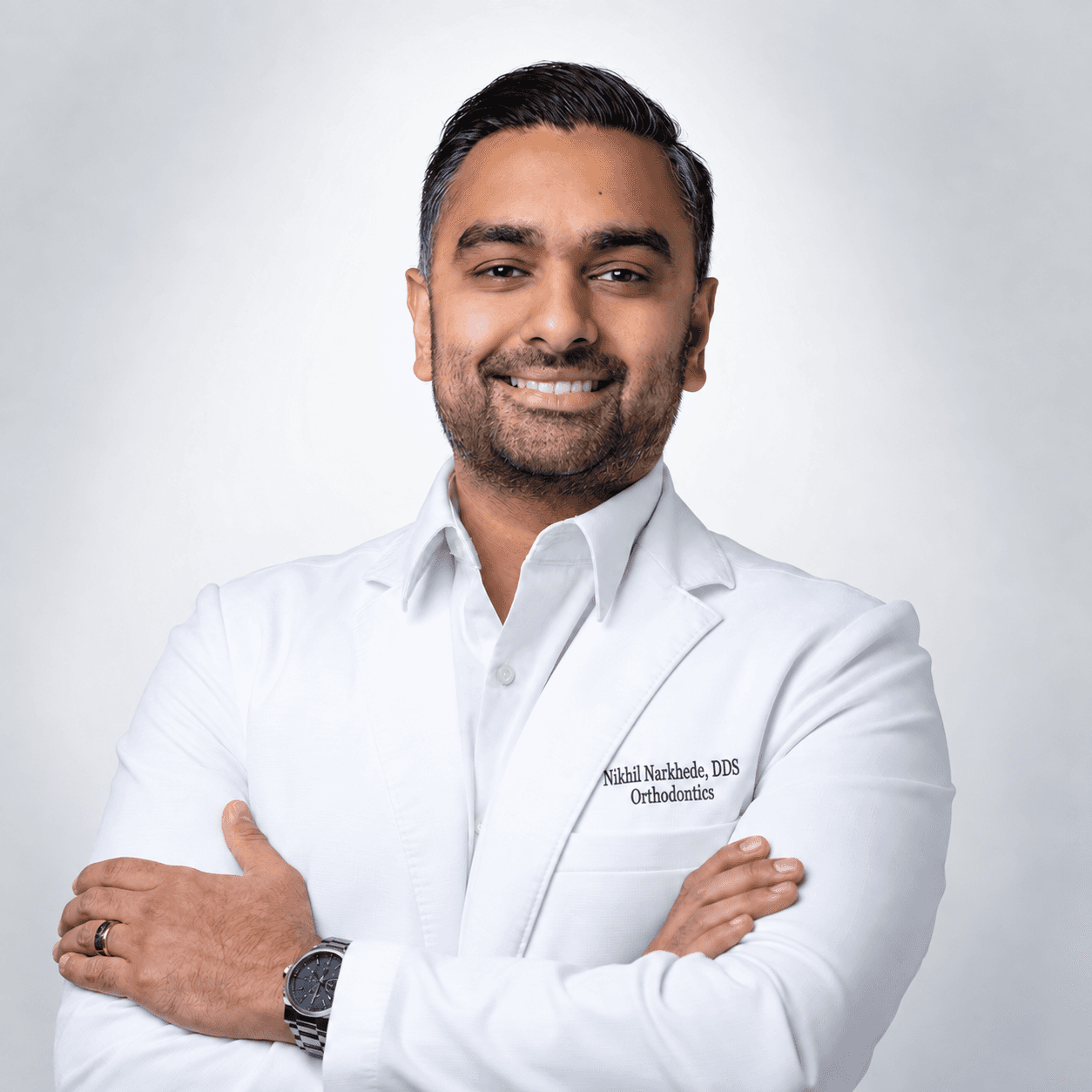
Orthodontist
Board-certified orthodontist treating teens and adults in Brooklyn with traditional braces, ceramic braces and Invisalign. An NYU graduate in both dentistry and orthodontics.

General Dentist
Brooklyn dentist with a postdoctoral certificate in endodontics from NYU, focused on root canals and restorative dentistry. Gentle, precise care for complex treatment.