Professional Teeth Whitening: How It Works, Results and Safety

Professional teeth whitening is one of the most common cosmetic dental treatments available, and for good reason — it works faster and delivers stronger results than anything you can buy off a shelf. This guide walks you through exactly what happens during treatment, what to expect from your results, and how to decide if it's the right choice for your situation.
What Is Professional Teeth Whitening?
Professional teeth whitening is a bleaching treatment performed or supervised by a dentist. During an in-office visit, a dentist or hygienist applies a high-strength whitening gel directly to your teeth, often paired with a curing light to speed up the process. Most appointments take between 60 and 90 minutes from start to finish.
The main difference between this and the strips you grab at the drugstore comes down to the strength of the gel. Over-the-counter products contain around 10% hydrogen peroxide, the active bleaching ingredient. In-office treatments use concentrations ranging from 25% to 40%. That higher strength is why results are more noticeable and why a dentist needs to be involved — stronger gel requires protective barriers on your gums to prevent irritation.
Patients often wonder whether professional whitening is genuinely better or just a way for dentists to earn extra revenue. The short answer is that the difference is real. One session in the dental chair typically achieves what two or three weeks of daily strip use might, and a dentist can catch problems — like existing cracks or gum sensitivity — before they become an issue.
How Professional Teeth Whitening Works
Before the gel goes on, your dentist or hygienist will place a rubber or gel barrier along your gumline. This protects the soft tissue from the high-concentration peroxide, which can cause irritation if it contacts the gums directly.
Once your gums are protected, the whitening gel is applied to the surfaces of your teeth. The hydrogen peroxide in the gel breaks down into smaller molecules that penetrate the enamel (the hard outer layer of your tooth) and lift stain compounds embedded in the tooth structure underneath.
Many offices then position a blue LED or UV light in front of your teeth. This is where patients often have questions.
In-Office Whitening Systems (Zoom, KoR, and Others)
The most common systems patients encounter are Zoom (made by Philips), KoR Whitening, and Opalescence Boost. Each uses a high-strength hydrogen or carbamide peroxide gel — carbamide peroxide breaks down into hydrogen peroxide once it contacts saliva, so both end up doing the same job.
Zoom is the most widely recognized brand and uses a specific blue LED lamp designed to work alongside its gel formula. KoR focuses on refrigerating its gel to maintain potency and is often recommended for stubborn staining. Opalescence Boost is a chemically activated gel that requires no light at all.
As for whether the light matters: it speeds up the process rather than dramatically changing the final result. The light creates mild warmth in the tooth, which slightly accelerates the gel's activity. The end result with or without a light is similar, though you tend to see progress faster when a light is used.
What Results Can You Actually Expect?
Most patients see their teeth lighten by six to ten shades after one professional whitening session. Tooth shade is measured on a standardized scale dentists use in their offices — moving six shades lighter is the difference between a dull, yellowish tone and a noticeably brighter white. Moving ten shades puts you closer to what you'd call a Hollywood smile, though that level of brightness depends heavily on where you started.
Coffee, tea, and red wine stains respond very well to whitening gel. Grayish tones caused by certain antibiotics (like tetracycline) or fluorosis (a condition from too much fluoride during tooth development) are much harder to lift, and professional whitening may only partially improve them.
How Long Does Professional Whitening Last?
Results from professional teeth whitening typically last between six months and two years. Smoking shortens this window significantly. Regular coffee or red wine intake also fades results faster than average. Most patients who maintain normal habits get a full year or more before they notice meaningful color change.
To extend your results, you can use custom take-home trays from your dentist for occasional touch-ups. Rinsing with water after coffee and using a whitening toothpaste helps as well. A once-a-year in-office session is enough for most people who want to stay close to their post-treatment shade.
Is Professional Teeth Whitening Safe?
Professional teeth whitening does not damage your enamel when performed by a qualified dentist. The gel breaks down stain compounds — it doesn't strip away tooth structure. Research across more than two decades consistently shows that carbamide and hydrogen peroxide at dental concentrations are safe for enamel.
People who shouldn't get whitening done include pregnant women, children under 16, and anyone with untreated cavities or gum disease. Active decay needs to be fixed first because whitening gel can penetrate into damaged tooth structure and cause pain. Anyone with significant gum recession should also discuss this with their dentist before proceeding.
Tooth Sensitivity and How to Manage It
Sensitivity is the most common side effect of professional whitening, and it doesn't mean something went wrong. It usually feels like a sharp, brief zing when you drink cold water or breathe in cool air. Most patients notice it starting a few hours after treatment, and it typically clears up within 24 to 48 hours.
If you already have sensitive teeth before whitening, you'll likely feel more post-treatment sensitivity than most. Dr. Rubinshtein recommends using a sensitivity toothpaste for two weeks before your appointment — this pre-treats the nerve pathways in your teeth and reduces the intensity of the reaction afterward.
For the first couple of days after treatment, avoid ice water, ice cream, and very hot drinks. Toothpaste with potassium nitrate or stannous fluoride works well for managing discomfort. Over-the-counter pain relievers can help if the sensitivity is strong enough to bother you.
Professional Whitening vs At-Home Options
Here's a straightforward comparison to help you decide:
In-office professional whitening delivers the fastest, strongest results — usually in one appointment — and is supervised by a dentist. It costs more, typically between $300 and $1,000, but gives you results that are hard to match with home products.
Custom take-home trays from your dentist use a lower concentration gel that you apply at home over one to two weeks. They're less expensive than in-office treatment and still use professional-grade gel. Results are comparable to in-office whitening, just slower.
Drugstore whitening strips (like Crest White Strips) are affordable and convenient, but use weaker gel and require daily use for two or more weeks. They work well for mild staining but can't match in-office results for heavily stained teeth.
Over-the-counter LED kits combine low-strength gel with a small light device. The light in these kits offers minimal benefit, since home-use gel concentrations are too low for the light to meaningfully speed things up. Results are modest at best.
How Much Does Professional Teeth Whitening Cost?
In-office professional teeth whitening typically costs between $300 and $1,000 per session. The price varies based on where you live, which whitening system your dentist uses, and the dentist's experience level. Major metro areas trend toward the higher end of that range.
Dental insurance almost never covers cosmetic whitening because it's classified as an optional procedure rather than a health need. Some dental plans offer a small discount on cosmetic treatments, so it's worth checking your benefits before you book.
Many dental offices offer payment plans or accept third-party financing like CareCredit, which lets you spread the cost across several months. Ask your dentist's office directly — most are willing to work with patients on payment options.
Ways to Save Money on Professional Whitening
A few practical options can bring the cost down without compromising your results. New patient specials are common at many dental offices, and whitening is sometimes bundled with a cleaning at a reduced rate. Asking about this at your first visit never hurts.
Dental school clinics are a legitimate, lower-cost option. Students perform the treatment under close supervision from licensed dentists, and the quality of care is generally solid. Groupon deals for whitening exist, but they require some research — look into the actual dental office running the deal, not just the price. A steep discount means little if the office has poor reviews or is cutting corners on protective steps.
Who Is a Good Candidate for Professional Whitening?
Candidates who get the best results from professional teeth whitening are people with yellowish or brownish staining from food, drinks, or tobacco. If your teeth were naturally a fairly light shade before staining occurred, you'll likely see dramatic improvement.
People with crowns, veneers, or tooth bonding should know that whitening gel doesn't change the color of dental materials — only natural tooth structure responds. If you have a front crown and whiten your surrounding teeth, the crown will stand out as a different shade.
When staining is severe or tied to conditions like tetracycline use or thin enamel, whitening may not achieve the result a patient is hoping for. In those cases, bonding or porcelain veneers give much more control over the final color outcome.
What to Do Before and After Your Whitening Appointment
On the day of your appointment, brush your teeth gently beforehand and eat a light meal. Avoid going in on an empty stomach, since some people feel a bit off if they skip food before a dental procedure.
For 24 to 48 hours after treatment, stick to a "white diet" — foods and drinks that won't stain freshly whitened teeth. Your enamel is temporarily more porous right after whitening, which makes it more likely to pick up color. Good choices include chicken, rice, pasta, bananas, and water. Avoid coffee, tea, red wine, tomato sauce, and dark berries during this window.
Drinking coffee through a straw during this period reduces direct contact with your teeth, but it won't eliminate staining risk entirely. Your best bet is to wait out the 48-hour period and then resume your normal habits with the understanding that what you drink regularly will slowly affect your results over time.
Alternatives to Professional Teeth Whitening
For teeth that won't respond to bleaching, a few alternatives are worth knowing about. Dental bonding uses a tooth-colored resin applied directly to the tooth surface to cover staining. It's a good fix for localized discoloration on one or two teeth and costs less than veneers.
Porcelain veneers are thin shells placed over the front of each tooth. They're custom-made to match whatever shade you want, which makes them the most predictable option for people with severe discoloration or very thin enamel. They're also the most expensive route.
Some patients ultimately decide that accepting their natural tooth color — after a professional cleaning removes surface buildup — is the right call. A cleaning alone can noticeably brighten your smile without any bleaching involved.
Professional teeth whitening delivers real, measurable results when you're a good candidate and go in with clear expectations. Talking through your tooth history and any sensitivity concerns with your dentist before booking is the best way to make sure the treatment is the right fit for you.
Frequently asked questions
Does professional teeth whitening hurt?
How white will my teeth get with professional whitening?
Can I drink coffee after getting my teeth professionally whitened?
Is professional whitening better than Crest White Strips?
Will teeth whitening damage my enamel?
How long does professional teeth whitening last?
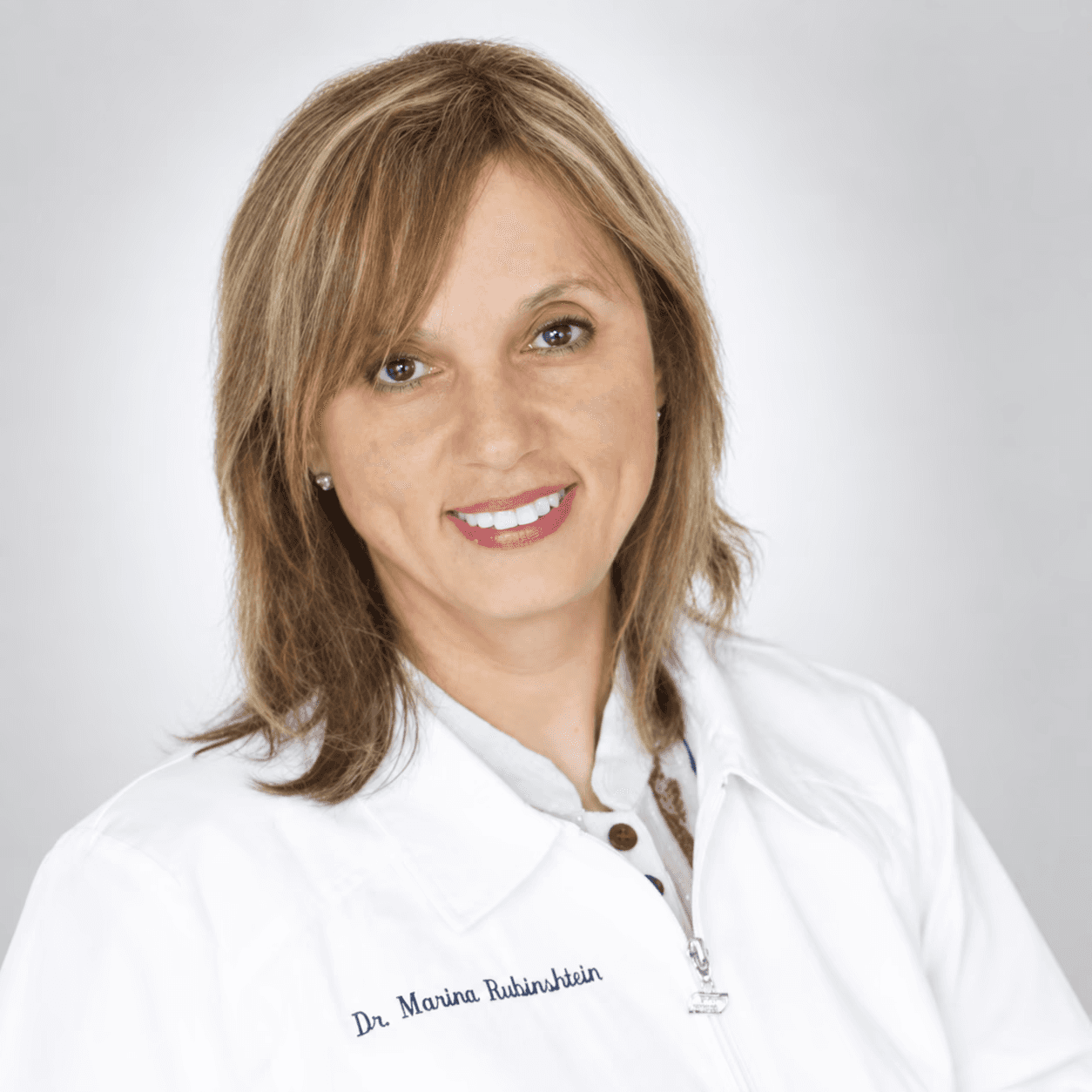
Cosmetic Dentist
Brooklyn dentist with more than 24 years in private practice, offering general, cosmetic and restorative dentistry. An NYU graduate focused on helping patients achieve healthy, natural-looking smiles.

Periodontist
Board-certified periodontist with training in dentistry and periodontics from NYU. A New York native offering compassionate, personalized care focused on improving oral health and helping patients smile with confidence.

Laser Dentist
Dentist with more than 22 years of experience and a DDS from NYU, where he was an honor society member. Uses the latest advances in dentistry to provide personalized patient care.

Orthodontist
Board-certified orthodontist treating teens and adults in Brooklyn with traditional braces, ceramic braces and Invisalign. An NYU graduate in both dentistry and orthodontics.

General Dentist
Brooklyn dentist with a postdoctoral certificate in endodontics from NYU, focused on root canals and restorative dentistry. Gentle, precise care for complex treatment.