What Is a Root Canal Treatment? Signs You Need One & What to Expect

Published
Root canal treatment is one of the most misunderstood procedures in dentistry, and most of the fear around it comes from not knowing what actually happens. The procedure removes infected tissue from inside a damaged tooth, clears the infection, and seals the tooth so it can stay in your mouth for years to come. Understanding what to expect, from the first signs of trouble to recovery, makes the whole process far less intimidating.

What Is a Root Canal Treatment?
Inside every tooth, beneath the hard outer enamel and the layer below it called dentin, there's a soft core called the pulp. The pulp contains nerves, blood vessels, and connective tissue. It's what makes a tooth sensitive to temperature and pressure. When that pulp becomes infected or badly damaged, it causes serious pain and can put the surrounding bone at risk.
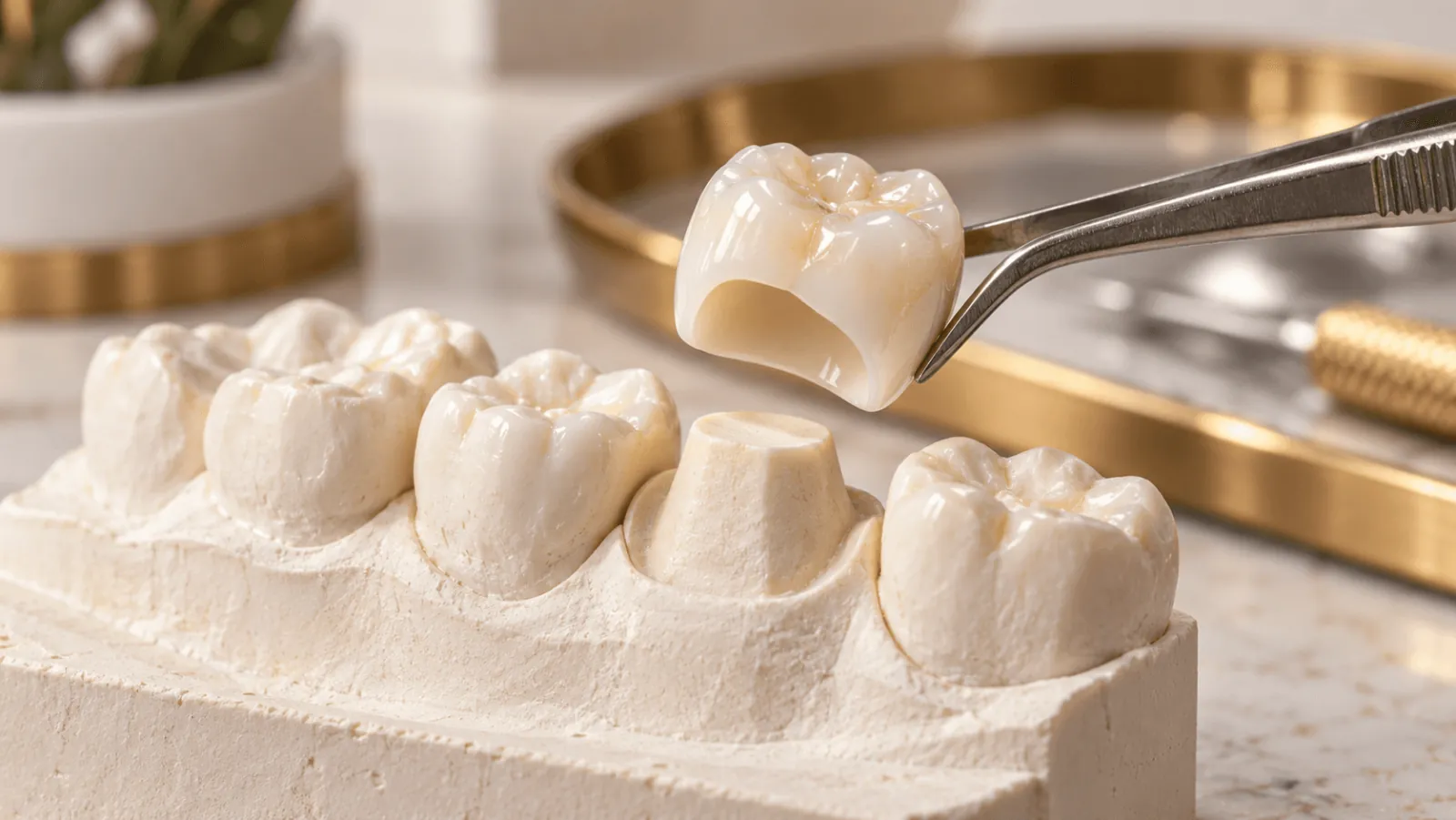
Root canal treatment, also called endodontic treatment, removes the infected or inflamed pulp, cleans the hollow space left behind, and seals it to prevent further infection. The tooth stays in your mouth, looks normal, and functions like any other tooth once a crown or filling is placed on top. For patients facing a severely damaged tooth, this procedure is often the only alternative to having it pulled out entirely.
Why Do You Need a Root Canal? Common Causes
Tooth infections don't happen overnight. The most common cause is a cavity that goes untreated long enough to reach the pulp. Once bacteria breach that inner chamber, infection sets in quickly. Cracks or chips in teeth, even ones too small to see easily, can open a path for bacteria over time.
Teeth that have had multiple procedures, crowns, large fillings, or repairs across many years can also become vulnerable. Each time a tooth is worked on, the pulp experiences some stress. Trauma from an accident, a fall, or a sports injury can damage the pulp even without an obvious fracture in the tooth.
None of this means you did something wrong. Tooth damage and decay are natural processes, and some people are more prone to them because of enamel structure, dry mouth, or medical conditions that affect saliva flow. What matters is catching the problem before the infection spreads beyond the tooth itself.
Signs and Symptoms You Might Need a Root Canal
The clearest sign is tooth pain that doesn't go away, especially when biting down or pressing on the tooth. Unlike the brief zing of sensitivity from a cold drink, this kind of pain lingers and can build into something harder to ignore. Other symptoms worth paying attention to include:
Prolonged sensitivity to hot or cold that stays long after the temperature is gone, sometimes lasting 30 seconds or more after you stop drinking
Darkening or grayish color change in the tooth, which can signal that the pulp inside is dying
Swollen, tender gums near one specific tooth, or a small raised bump on the gums that looks like a pimple
A persistent bad taste or slight draining sensation near the affected area
That said, not every tooth that needs root canal treatment will hurt. Some infections develop slowly, and the nerve can die without producing sharp pain. Regular dental X-rays can catch these silent infections before they become emergencies.
When Tooth Pain Means Something Serious
Normal tooth sensitivity, the kind that comes and goes with hot or cold foods, is common and usually manageable. What signals something more serious is pain that throbs on its own, wakes you up at night, or sharpens when you bite down on something soft. That kind of pain points to nerve involvement inside the tooth.
Waiting to see if it resolves on its own usually makes things worse. An infected pulp won't heal without treatment. The longer the bacteria sit inside the tooth, the more they spread into the surrounding bone and tissue, which turns a straightforward procedure into a more complicated one.
What Swelling or Gum Changes Mean
A swollen, puffy area on the gum near a painful tooth is your body's attempt to contain an infection it can't fully fight. If a small bump forms on the gum that occasionally releases a bad taste or fluid, that's a dental abscess, a pocket of infection that needs professional care.
Swelling that extends into your jaw, cheek, or neck is a medical urgency. That level of spread means the infection has moved beyond the tooth and needs immediate attention, sometimes in an emergency setting.
The Root Canal Procedure: Step-by-Step
Most patients are surprised by how routine the process feels once it's underway. The dentist or endodontist (a specialist focused on the inside of teeth) starts by numbing the area with a local anesthetic, the same type used for a filling. Once the tooth is numb, a small sheet of rubber called a dental dam is placed around the tooth to keep the area dry and free of saliva during the procedure.
A small opening is made through the top of the tooth to reach the pulp chamber. The infected pulp is removed using fine instruments, and each canal inside the root is carefully cleaned and shaped. The space is then filled with a rubber-like material called gutta-percha and sealed. A temporary or permanent filling closes the opening on top. In most cases, a crown is placed afterward to protect the tooth from cracking under normal chewing force.
Does a Root Canal Hurt?
The procedure itself is not painful for most patients. The anesthetic works the same way it does during a filling, and many patients report that the relief from pre-procedure pain is immediate once the infected nerve tissue is removed. There's typically some tenderness for two to four days after, especially when chewing, but over-the-counter pain relievers like ibuprofen handle it well for most people. The experience is closer to a slightly longer filling appointment than the ordeal most people imagine.
How Long Does a Root Canal Take?
A straightforward root canal on a front tooth or premolar usually takes about 90 minutes in a single visit. Molars have more canals and curved root shapes that take longer to clean, so they sometimes require two appointments. You can drive yourself home and return to normal activities the same day since only local anesthetic is used. If you've been given a mild sedative pill to help with anxiety, arrange a ride just to be safe.
Root Canal Recovery and Aftercare
The first two to three days after the procedure are when most of the tenderness shows up. Chewing on that side of your mouth is uncomfortable, so stick to softer foods until the permanent crown or filling is in place. Take pain relievers as needed, keep up with brushing and flossing around the area, and avoid anything very hard or crunchy while the tooth is still protected only by a temporary seal.
Contact your dentist if swelling increases after the first 24 hours, if severe pain returns after several days of improving, or if you notice the temporary filling has come loose. These aren't signs that the procedure failed, but they do need a follow-up to make sure everything is healing properly.
Root Canal Cost and Insurance Coverage
Root canal costs vary based on location, the tooth involved, and whether you see a general dentist or a specialist. Front teeth are typically less expensive, often between $700 and $1,000, while molars can run $1,000 to $1,500 or more. Adding a crown brings the total higher, but that crown protects the tooth long-term. For a fuller breakdown by tooth type, see how much a root canal costs in Brooklyn NYC.
Dental insurance commonly covers 50 to 80 percent of root canal treatment after your deductible is met, since it's classified as a major restorative procedure. If you don't have insurance, ask about dental savings plans (membership-based plans that offer reduced fees), in-office payment plans, or a cash discount, which many practices offer quietly but rarely advertise.
Alternatives to Root Canal Treatment
The only real alternative is extracting the tooth. Pulling it is often less expensive up front, but that cost grows quickly once you factor in replacing the missing tooth. A dental implant to fill the space costs more than most root canals. A bridge or partial denture is less expensive but involves the neighboring teeth and comes with its own upkeep over time.
Extraction does make sense in some situations: if the tooth is cracked below the gumline, if there isn't enough structure left to restore it, or if bone loss around the root is severe. Your dentist will weigh how restorable the tooth is before recommending one path over the other.
How to Find a Dentist for Root Canal Treatment
General dentists perform many root canals successfully, especially on front teeth and premolars. More complex cases, curved roots, narrow canals, or previous failed treatments, are typically referred to an endodontist. At Bensonhurst Dental Care, root canal cases are handled by an in-house endodontist who uses a microscope and rubber dam for every procedure, which improves precision and reduces the chance of missed canals.
When choosing a provider, read patient reviews with a focus on pain management and how the dentist explains the procedure. Ask whether the office uses rotary instruments (electric files that clean canals more efficiently than manual tools) and whether a microscope is available. Traveling a bit further for a specialist is often worth it for complex cases, but a skilled general dentist with good technology can handle many straightforward ones well.
Root canal treatment has a reputation it doesn't deserve. For most patients, it's a straightforward procedure that ends the pain, saves the tooth, and gets them back to normal life within a day or two.